Automation for Astrophotography
Just like most of you, well, the older amateur astronomers out there, I also had to bring my expensive laptop out into the cold, damp winter air to run my imaging system. I had a Sony laptop that was like the Terminator and absolutely refused to die no matter what. Furthermore, Toughbooks developed for industry were extremely expensive and not an option for me at least.
Today you have plenty of options to automate the control of your imaging system, each with their own distinct advantages and disadvantages. Let’s start with the most common solution first the ASI-AIR.
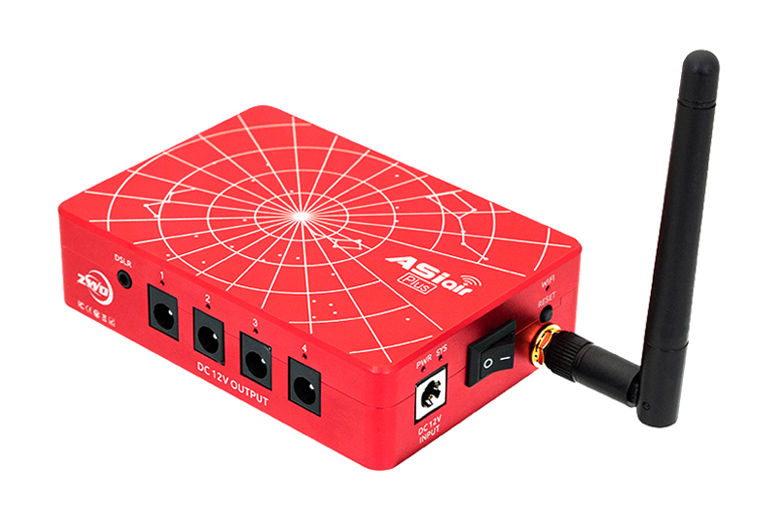
ASI-AIR – Simple and Integrated
The ASI-AIR was initially built around the Raspberry Pi single-board computer before it morphed into its own dedicated design.
Today it still uses similar components, but now on a bespoke board that integrates power management and a USB hub.
- Advantages: Compact and easy to use, excellent software GUI, very reliable.
- Disadvantages: Locked into ZWO products.
N.I.N.A. – Flexible and Open-Source
N.I.N.A. (Nighttime Imaging ’N’ Astronomy) is a powerful, open-source imaging platform that simplifies and automates the entire astrophotography process.
It is vendor-agnostic and connects seamlessly with your equipment — cameras, mounts, focusers, and filter wheels — to deliver precise, reliable control from one intuitive interface.
With advanced tools like plate solving, autofocus, framing and sequencing assistants, and a rich plugin ecosystem,
N.I.N.A. supports both beginners and experienced imagers alike. Its streamlined workflow minimizes manual steps, letting you plan, execute, and monitor imaging sessions effortlessly.
Free, flexible, and highly capable, N.I.N.A. turns astrophotography into a smoother, smarter, and more productive experience — and might even let you catch some sleep while your imaging session runs all night.
Voyager – Reliable and Intelligent Control
Voyager is a powerful automation and control software built for astrophotographers who value reliability and efficiency.
Developed by experienced imagers, it integrates every part of your setup — mount, camera, focuser, guiding, and safety systems — into one cohesive workflow.
With intelligent autofocus, plate solving, error recovery, and advanced sequence management, Voyager ensures consistent, hands-off performance throughout the night.
Its robust Web Dashboard allows full remote operation, so you can monitor and manage your sessions from anywhere in the world.
Stable, intelligent, and endlessly adaptable, Voyager turns complex astrophotography routines into a smooth, fully automated experience —
letting you focus on what matters most: capturing the universe (and sleeping while your imaging session runs all night).
Mini-PCs – Compact Power for Automation
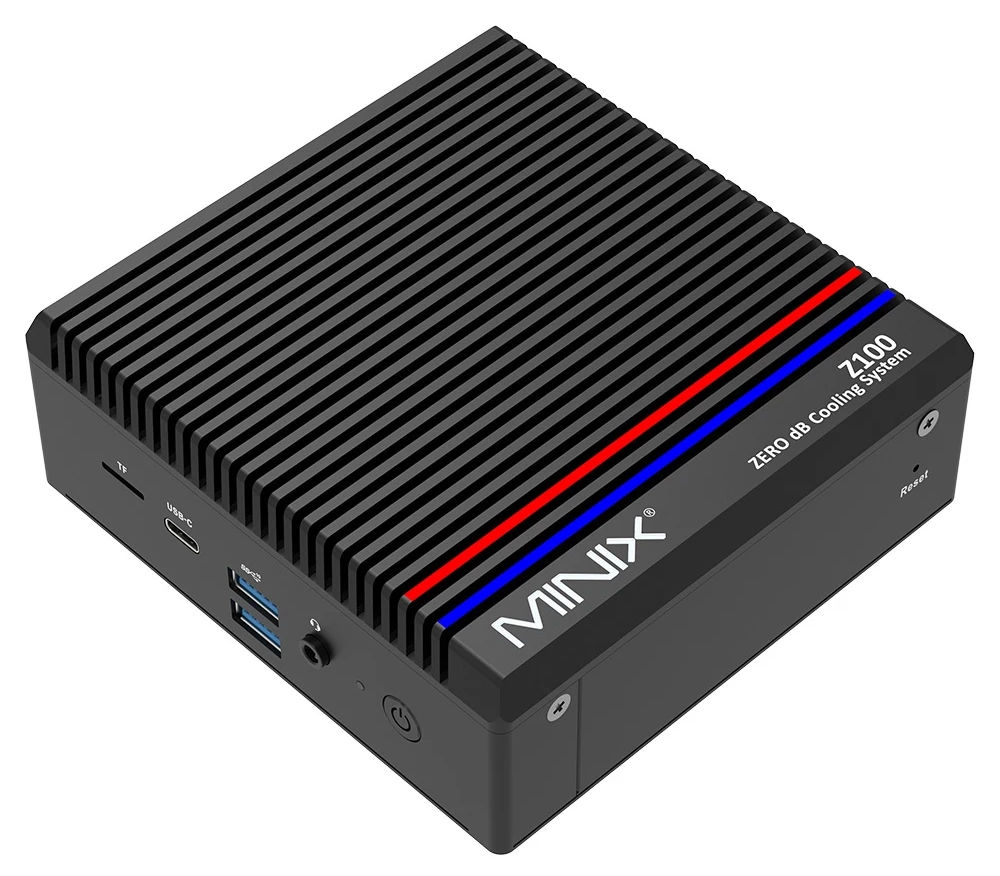
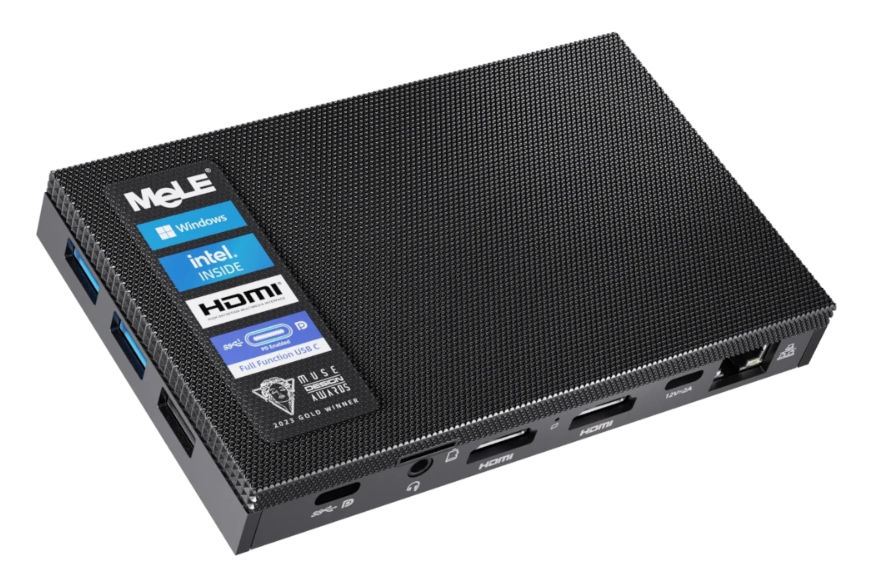
For astrophotography rigs, compact fanless mini-PCs like the MeLE Quieter 4C or MINIX Z100-0dB are excellent choices.
Powered by the Intel Alder Lake-N N100 quad-core processor (up to ~3.4 GHz), they deliver enough performance for software such as sequence controllers and imaging tools
while keeping power and noise to a minimum.
The MINIX model is fully fanless and supports 2.5 GbE Ethernet, Wi-Fi 6 and dual HDMI outputs. Reviews on Cloudy Nights and CNX Software report that
the MeLE model runs smoothly with N.I.N.A., though it can run warm in enclosed spaces. For observatory use — where reliability, low vibration and minimal thermal disturbance matter —
these N100 mini-PCs strike a great balance of performance, size and quiet operation.
MeLE Quieter 4C
Can be found in many of my images and videos riding on my telescopes. It’s an excellent choice for automating any astrophotography imaging system.MINIX Z100
So good that I bought two of them — seriously, it’s that good. One sits permanently in my backyard observatory running N.I.N.A. or Voyager, while the other will soon go to Spain to support my remote imaging system. They’re built like tanks, with massive passive cooling and no fans at all.